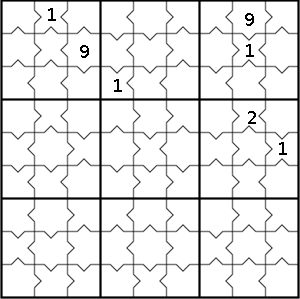
The 5-Minute Desk Reset: Why Sudoku Might Be the Best Thing Missing from Your Workday

Photo: Xyxyzyz, CC0, via Wikimedia Commons
The 2:30 PM Problem Nobody Talks About Enough
You know the feeling. It's mid-afternoon, your inbox is a mess, your last meeting ran long, and you're staring at a spreadsheet like it's written in a foreign language. Your focus is shot, your decision-making feels foggy, and the thought of tackling anything complicated sounds genuinely exhausting.
This isn't laziness. It's decision fatigue — a well-documented cognitive phenomenon where the quality of your thinking degrades after extended periods of mental effort. And in the modern American workplace, where back-to-back meetings and constant digital notifications are basically the norm, most of us hit that wall well before the end of the business day.
Here's where things get interesting: a growing body of research, along with a quiet but real trend among remote workers and office teams alike, suggests that a short, structured puzzle break — we're talking five minutes with a sudoku grid — might be one of the most effective ways to reset your mental state and claw back that afternoon productivity.
Why Puzzles Work Differently Than Scrolling
Let's be honest. When most of us need a mental break at work, we reach for our phones. A few minutes of social media, a quick scroll through news headlines, maybe a YouTube video. It feels like rest. But research suggests it often isn't.
Passive content consumption — scrolling, watching, browsing — keeps your brain in a reactive state. You're still processing information, still reacting to emotional cues, still absorbing stimulation. You're not actually recovering; you're just switching channels.
Sudoku works differently. A puzzle requires a specific, bounded kind of attention — focused enough to pull you away from work stress, but contained enough that it doesn't generate new anxiety. It's what psychologists sometimes call effortful disengagement: you're actively using your brain, but on something completely separate from your work problems.
Dr. Alejandro Lleras, a psychology professor at the University of Illinois, has studied how brief mental diversions affect sustained attention. His research found that short breaks involving a different kind of focused task can actually restore attention capacity more effectively than passive rest. A sudoku puzzle, with its clean logic and satisfying structure, fits that description pretty well.
Real Talk: What Workers Are Saying
The anecdotal evidence is stacking up. Ask around in remote-work communities and productivity forums, and you'll find plenty of people who've quietly made puzzle breaks part of their daily routine.
Jamie, a marketing manager in Austin who works remotely, says she started doing a quick sudoku after lunch about six months ago. "I was skeptical at first. It felt like goofing off. But I noticed that I was coming back to my afternoon tasks feeling genuinely clearer — like my brain had actually rested instead of just been distracted."
Marcus, a software developer in Chicago, keeps a sudoku app on his second monitor and uses it as a deliberate transition ritual between deep work sessions. "It's like a palate cleanser. Five minutes of logic that has nothing to do with code, and then I can actually focus again."
These aren't outliers. They're describing something that aligns closely with what workplace wellness researchers have been arguing for years: the quality of your breaks matters as much as the quantity.
How to Actually Build This Into Your Day
The trick isn't just taking a break — it's being intentional about it. Here are a few practical ways to make sudoku breaks work within a real workday:
Set a timer, not a goal. Resist the urge to finish a puzzle before returning to work. Five minutes is five minutes. Set a timer, solve as much as you can, and stop when it goes off. This keeps the break from ballooning into a longer distraction and also gives you something to return to next time.
Use it as a transition tool. Puzzle breaks are especially effective between distinct types of tasks — after a meeting before diving into writing, or between analytical tasks that require different kinds of thinking. Think of it as a mental gear-shift.
Pick the right difficulty. During a work break, this isn't the time to tackle an expert-level grid that'll frustrate you. Go with a beginner or intermediate puzzle — something engaging enough to require focus but not so hard it becomes stressful. The point is reset, not challenge.
Make it a physical break too. Step away from your primary work screen if possible. Pull up Sudoku4 on your phone, move to a different chair, or step outside if you can. Changing your physical environment amplifies the mental reset.
The Business Case (Yes, Really)
If you're a manager or a team lead reading this, here's something worth considering. Employee burnout costs US businesses an estimated $125 to $190 billion in healthcare spending annually, according to research published in the Harvard Business Review. Attention and decision fatigue are major contributors to errors, poor judgment calls, and creative stagnation — all things that cost companies real money.
Structured micro-breaks — short, intentional pauses during the workday — have been shown in multiple studies to reduce mental fatigue and improve overall performance. Some forward-thinking companies have already started incorporating this into their wellness programs, offering everything from meditation apps to on-site game rooms.
A puzzle break program is low-cost, low-barrier, and easy to implement. It doesn't require a budget line item or a new HR initiative. It just requires a little cultural permission — a signal from leadership that stepping away from your screen for five minutes to solve a sudoku isn't slacking off. It's smart.
Sharpen Up, Then Get Back to It
The idea that productivity means grinding through every minute of the workday without pause is increasingly outdated. The science points in a clear direction: strategic rest makes you better at your job, not worse.
Sudoku, with its clean structure, satisfying logic, and natural stopping points, is a surprisingly good fit for the modern work break. It's engaging without being consuming, challenging without being stressful, and portable enough to fit into almost any schedule.
So the next time 2:30 rolls around and your brain starts to check out, skip the doom scroll. Pull up a puzzle instead. Give yourself five minutes, a clean grid, and a genuine mental reset. Your afternoon self will thank you.