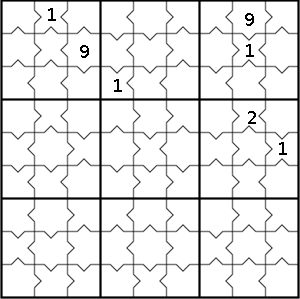
Why Your Boss Might Start Handing Out Sudoku Books at the Next All-Hands
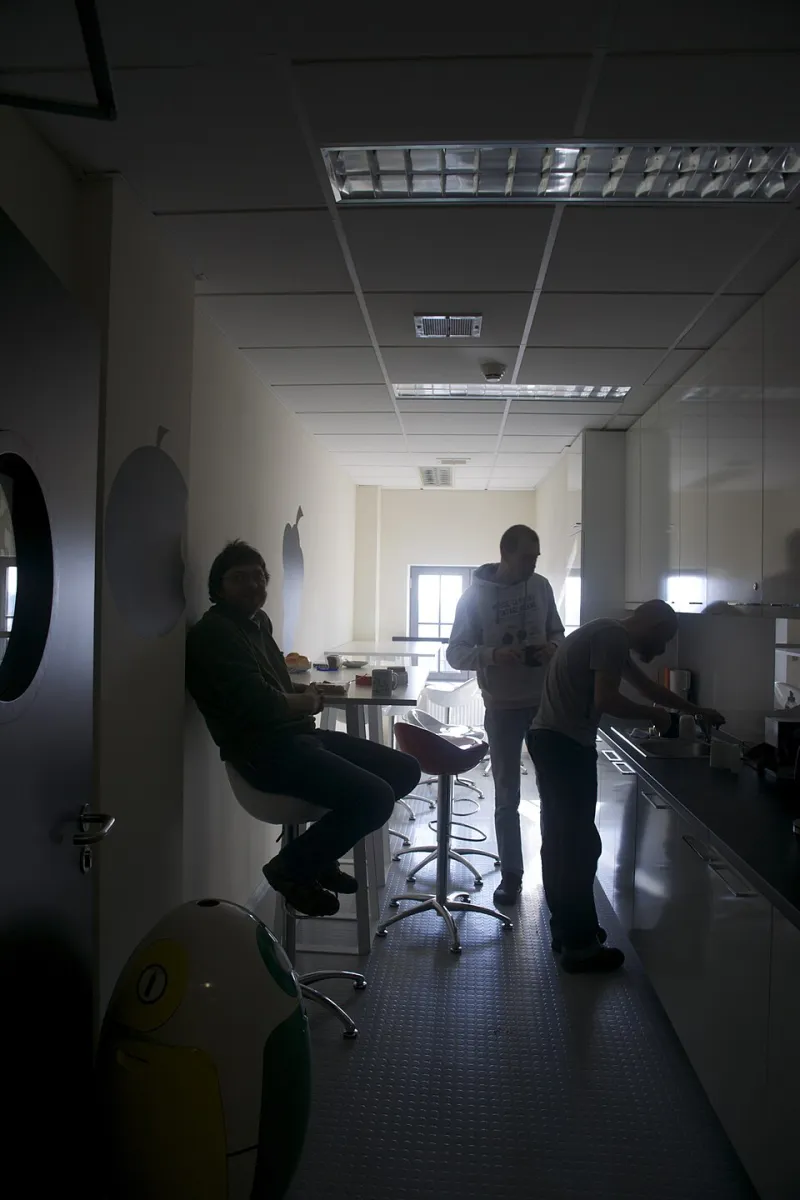
Photo: Michał Frąckowiak, CC BY-SA 2.0, via Wikimedia Commons
Picture this: it's 2:30 on a Wednesday. Your inbox has approximately forty-seven unread messages, your calendar shows back-to-back calls through 5 PM, and someone just Slacked you with the phrase "quick question" (it is never a quick question). Your stress level is somewhere between "could use a walk" and "considering a career in lighthouse keeping."
Now imagine your company's wellness program hands you a sudoku grid and tells you to take fifteen minutes.
Sounds almost too simple. But that's exactly what's starting to happen at a growing number of US companies — and the results are turning some heads in HR departments and neuroscience labs alike.
The Quiet Puzzle Revolution Happening in American Offices
Workplace wellness has been a booming industry for years. From meditation apps to nap pods to corporate mindfulness subscriptions, American companies have spent billions trying to keep their workforces mentally healthy and productive. Some of it works. A lot of it goes unused.
What's different about puzzle breaks is almost embarrassingly straightforward: people actually do them.
HR professionals at companies ranging from mid-size tech firms to regional insurance offices have reported that when puzzle breaks — including sudoku, crosswords, and logic challenges — are built into the workday, participation rates run significantly higher than more traditional mindfulness offerings. The reason, many suggest, comes down to personality fit. Not every stressed-out employee wants to close their eyes and focus on their breathing. Some people decompress by doing something — by engaging their brain in a task that's absorbing but low-stakes.
Sudoku, it turns out, is almost perfectly designed for that role.
What's Actually Happening in Your Brain During a Solve
To understand why puzzle breaks work, it helps to know what stress does to the brain in the first place.
Chronic workplace stress keeps the prefrontal cortex — the part of your brain responsible for planning, decision-making, and emotional regulation — in a kind of low-grade overdrive. You're constantly context-switching, processing threat signals (even if the "threat" is just a difficult client email), and managing competing demands. Over time, this depletes mental resources and contributes to the foggy, exhausted feeling that so many American workers recognize as just... Tuesday.
When you sit down with a sudoku grid, something interesting happens. The puzzle demands focused, rule-based attention — exactly the kind of structured mental engagement that helps quiet the noise of multitasking stress. Your brain essentially gets to stop reacting and start reasoning, which activates the prefrontal cortex in a calmer, more deliberate mode.
Neuroscientists sometimes describe this as "cognitive shifting" — moving your brain from reactive processing into a more controlled, analytical state. And research suggests that for people who are analytically wired, this kind of structured mental engagement can reduce cortisol levels and lower subjective stress more effectively than open-ended relaxation techniques.
In plain English: for a certain kind of brain, solving a puzzle is more relaxing than meditating. And a lot of corporate America is staffed with exactly that kind of brain.
The "Productive Rest" Problem (And Why Puzzles Solve It)
One of the biggest barriers to workplace wellness adoption is what you might call the productivity guilt problem. Many high-performing employees — especially in competitive American work cultures — struggle to genuinely rest during the workday because unstructured downtime feels like wasted time.
Puzzle breaks sidestep this entirely. There's a task. There are rules. There's a measurable outcome. For an achievement-oriented person, that structure makes rest feel permissible in a way that "just breathe for ten minutes" often doesn't.
This is a subtle but significant insight. Wellness programs that feel at odds with a person's working identity tend to get quietly abandoned. Wellness programs that complement how someone thinks — that feel like an extension of their natural way of engaging with problems — tend to stick.
Sudoku fits the latter category almost by design. It's logical, it's goal-oriented, and it has a clear ending. For the analytical personality types who populate a lot of American offices, that's not just appealing — it's almost irresistible.
What Companies Are Actually Doing
The implementations vary, but a few models are emerging as particularly effective:
The structured micro-break. Some companies are building ten-to-fifteen-minute puzzle breaks into the official workday schedule — often mid-morning or mid-afternoon, when cognitive fatigue tends to peak. Employees are encouraged to step away from their primary tasks and engage with a puzzle, either on paper or through a platform like Sudoku4.
The wellness challenge format. Others are running month-long puzzle challenges as part of broader wellness initiatives, with leaderboards, team competitions, and small incentives. This approach leans into the social and competitive instincts that drive engagement in many workplace cultures.
The optional resource model. Some HR teams are simply making puzzle resources available — printed booklets in break rooms, digital platform subscriptions in employee wellness portals — without mandating participation. Even this lighter-touch approach has shown meaningful uptake among employees who would never join a guided meditation session.
Tips for Making It Work at Your Desk
If your company hasn't caught on yet, you don't have to wait for an official program. Here's how to build your own puzzle-based stress break into the workday:
Set a timer. Give yourself a defined window — ten or fifteen minutes — and commit to stepping away from everything else. The boundary matters. An open-ended break tends to generate its own anxiety.
Match the difficulty to your energy level. If you're mid-crisis, an easy puzzle will decompress you faster than a hard one. Save the expert grids for when your brain has more bandwidth to spare.
Go analog when you can. There's real value in putting down the screen entirely. A printed puzzle or a dedicated app with minimal notifications helps your brain make a cleaner break from the work environment.
Make it a habit, not a treat. The stress-relief benefits of puzzle breaks compound over time. A daily solve — even a short one — builds a mental reset routine that your brain starts to anticipate and use effectively.
The Bigger Picture
What's happening in corporate wellness right now isn't just a trend toward puzzles specifically — it's a broader recognition that mental health support needs to be personalized to actually work. The one-size-fits-all meditation mandate was always going to leave a significant chunk of the workforce behind.
Puzzle breaks, and sudoku in particular, are filling a gap that a lot of wellness programs didn't know they had. They're accessible, they're low-cost, they require no special training or equipment, and they work with the way analytical minds naturally want to engage with the world.
So if your next company all-hands comes with a sudoku handout, don't roll your eyes. Your HR team might be onto something. And if they're not there yet — well, now you have something to pitch at the next meeting.