Hooked on the Grid: The Real Psychology Behind Why Sudoku Keeps Pulling You Back
The Puzzle That Won't Let You Go
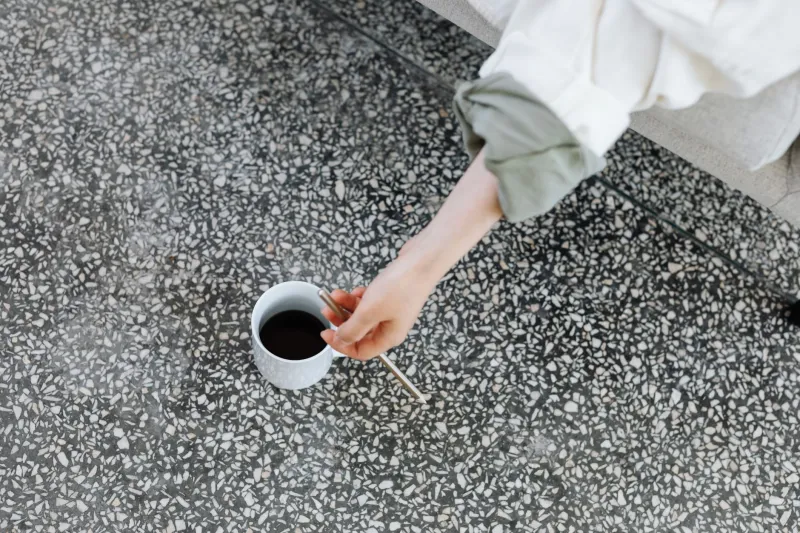
You sit down with a cup of coffee and a fresh grid. Five minutes, you tell yourself. Maybe ten. Forty-five minutes later, you're still there — slightly victorious, slightly baffled, and already eyeing the next puzzle. Sound familiar?
This isn't a quirk. It's not a personality flaw or a productivity problem. It's your brain doing exactly what it was built to do. Sudoku, whether you realize it or not, is one of the most effective habit-forming activities you can engage with — and understanding why can help you use that pull to your advantage instead of getting swept away by it.
What Is a Habit Loop, Anyway?
Back in the early 2010s, journalist Charles Duhigg popularized the concept of the habit loop in his book The Power of Habit. The basic structure is simple: a cue triggers a routine, which delivers a reward. Over time, your brain starts craving the reward before the routine even begins, and just like that — a habit is born.
Sudoku fits this framework almost perfectly. The cue might be your morning commute, a slow afternoon at work, or the moment you sit on the couch after dinner. The routine is the solving process itself — scanning rows, eliminating candidates, penciling in possibilities. And the reward? That sharp little click of satisfaction when a number locks into place, or the rush of completing a grid you weren't sure you could crack.
Repeat that loop enough times, and your brain starts associating the cue with the reward before you even open the puzzle. That's not addiction talking — that's learning.
The Variable Reward: Sudoku's Secret Weapon
Here's where things get really interesting. Not every puzzle feels the same. Some grids practically solve themselves. Others fight you the whole way. A few will make you feel like a genius; others will humble you completely. That inconsistency isn't a flaw in the design — it's the engine.
Psychologists call this variable reinforcement, and it's one of the most powerful behavioral mechanisms known to science. When a reward is unpredictable — sometimes you win big, sometimes you barely scrape through — your brain releases more dopamine than it would for a guaranteed payoff. It's the same principle behind slot machines, but applied to something that's actually good for you.
With Sudoku, you never quite know which puzzle will be the one that flows effortlessly and which one will stump you for twenty minutes. That uncertainty is precisely what keeps you coming back. Your brain is essentially saying, this one might be the satisfying one — and it usually is right, eventually.
When the Pull Becomes a Push
Now, let's be honest about the flip side. The same mechanisms that make Sudoku so engaging can occasionally tip into something less healthy. If you're sacrificing sleep to finish a grid, or feeling genuinely anxious when you can't access a puzzle, it's worth pausing and checking in with yourself.
The goal isn't to eliminate the habit — it's to stay in the driver's seat. A sustainable puzzle practice should feel energizing, not compulsive. Think of it like exercise: a daily run is great for you; running through an injury because you have to hit your streak is not.
The good news? Because Sudoku habit loops are so well-understood, they're also pretty easy to shape intentionally.
Building a Puzzle Practice That Actually Sticks
Anchor it to an existing routine. The easiest way to build any habit is to attach it to something you already do. Morning coffee, lunch break, the subway ride home — pick a consistent cue and let your Sudoku session follow naturally. Within a few weeks, the craving for the puzzle will kick in automatically when that cue appears.
Set a time boundary, not a completion goal. Instead of telling yourself you'll stop when you finish the puzzle, try setting a timer for 15 or 20 minutes. This keeps the habit consistent regardless of how tricky the grid is, and it prevents the 'just one more' spiral that eats into your evening.
Vary your difficulty deliberately. Don't just chase hard puzzles for the dopamine hit. Mixing easy, medium, and hard grids throughout your week keeps your brain engaged at different levels and prevents the frustration fatigue that can eventually kill a habit altogether. Think of easier puzzles as active recovery — they still build pattern recognition, and they feel great.
Track your streaks lightly. A simple tally on a sticky note or a habit tracker app can reinforce your routine without turning it into a high-pressure obligation. Missed a day? No problem. The goal is consistency over time, not perfection.
Know your 'enough' signal. Part of building a healthy habit is recognizing when you've gotten what you came for. After a good solve, take a beat. Notice the satisfaction. Let your brain register the reward before immediately jumping to the next grid. That moment of conscious acknowledgment actually strengthens the habit loop in a healthier way.
Why This Matters Beyond the Puzzle
Here's the bigger picture: the self-awareness you develop by understanding your own puzzle habit is a transferable skill. Recognizing cues, managing rewards, and building intentional routines are exactly the cognitive tools that support discipline in other areas of life — whether that's fitness, learning a new skill, or managing stress.
Sudoku, at its best, isn't just a game. It's a low-stakes training ground for understanding how your own brain operates. And once you understand the loop, you can design your puzzle practice — and honestly, a lot of other habits — with a lot more intention.
The Grid Will Always Be There
One of the nicest things about Sudoku as a habit? The puzzles aren't going anywhere. There's no scarcity, no competition for access, no pressure to grind before the opportunity disappears. That patience the grid demands of you — the willingness to sit with uncertainty, work through it methodically, and trust that the solution exists — is exactly the energy worth bringing to your habit-building too.
So the next time you find yourself reaching for a puzzle without quite knowing why, you'll know: your brain is doing its job. The question is just whether you're steering it, or it's steering you.